Biological Control of Agricultural Pests: Can Pesticide Use Be Reduced?
In recent years, there has been increasing interest in using more sustainable methods to protect agricultural crops. With the rising cost of pesticides and the growing problem of pest resistance, searching for alternatives or complementary solutions to chemical control has become essential.
One of the most important of these methods is biological pest control, which relies on using natural living organisms to control pests instead of depending entirely on pesticides. This approach does not mean eliminating pesticides completely, but it helps reduce their use and build a balanced pest management system within the field.
First: What Is Biological Pest Control?
Biological control involves using beneficial living organisms to reduce the population of agricultural pests in a natural way. These organisms may include:
- Predatory insects
- Parasitic insects
- Fungi or bacteria that infect insects
The goal of this system is to reduce pest populations to a level that does not cause economic damage to the crop.
This method is often used as part of an integrated pest management program for crops, which combines several methods to manage pests in a balanced way.
Second: Types of Natural Enemies of Pests
The organisms used in biological control are known as natural enemies, and they are generally divided into several main categories.
Predatory Insects
Predatory insects feed directly on insect pests.
Some well-known examples include:
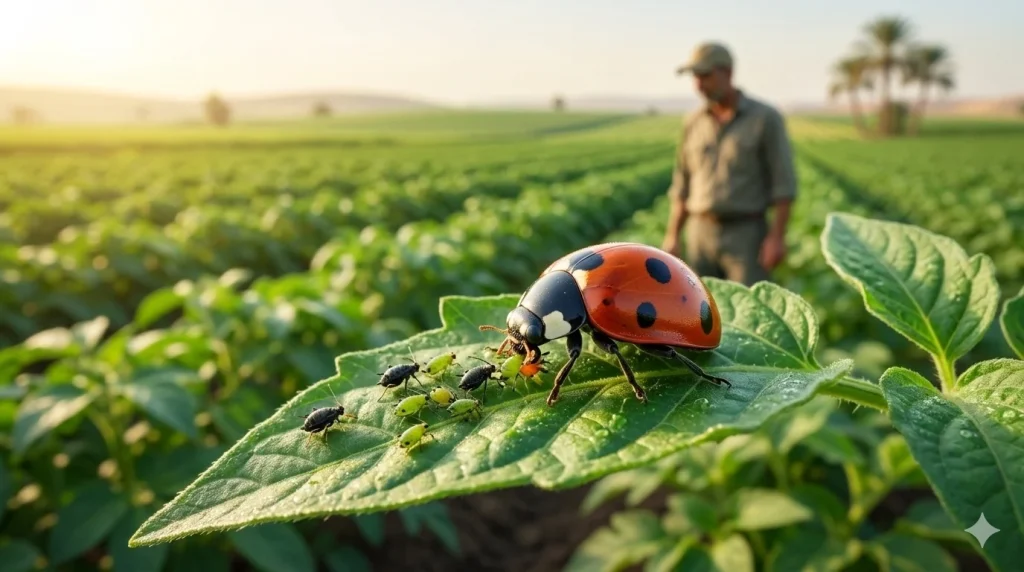
- Lady beetles (ladybugs) that feed on aphids
- Certain species of predatory beetles
- Lacewing larvae
These insects play an important role in naturally reducing pest populations within the field.
In many cases, these predators help reduce the need for pesticides, especially when infestations are detected early, such as when detecting insect infestations early in crops.
Parasitic Insects
Parasitic insects are small insects that lay their eggs inside the bodies of harmful pests. The larvae then feed on the host insect until it dies.
Some of these parasites are used to control:
- Leafworms
- Flies
- Certain types of caterpillars
The presence of these organisms in the field can significantly help reduce pest spread.
Insect Pathogens
This group includes certain fungi, bacteria, and viruses that infect insects and cause their death.
Some well-known examples include:
- Bacillus thuringiensis bacteria
- Certain insect-pathogenic fungi
These organisms are used in some agricultural programs as a natural way to limit pest spread.
Third: Advantages of Biological Control in Agriculture
Using biological control offers several important benefits for farmers.
Some of the most important advantages include:
- Reducing dependence on chemical pesticides
- Maintaining ecological balance within the field
- Lowering the likelihood of pests developing pesticide resistance
- Protecting beneficial organisms in the soil
This approach also supports sustainable agriculture and improves the health of the agricultural ecosystem.
Fourth: When Is Biological Control Enough?
In some situations, biological control can manage pests without the need for chemical intervention.
This usually happens when:
- The infestation is limited
- The pest is detected early
- There are sufficient numbers of natural enemies present in the field
However, in cases of severe infestations, biological control alone may not be enough. In such situations, it becomes necessary to understand when to use insecticides as part of a balanced pest management strategy.
Fifth: The Relationship Between Biological Control and Pesticides
Biological control does not mean completely eliminating pesticides; rather, it aims to reduce their use.
When pesticides are used without proper planning, beneficial insects may also be eliminated, which can disrupt the ecological balance in the field.
For this reason, it is important to:
- Choose the appropriate pesticide
- Apply it at the correct time
- Reduce unnecessary treatments
https://citrovagreen.com/en/how-to-choose-the-right-pesticide/Understanding how to choose the right pesticide according to the type of pest helps protect beneficial insects in the field and reduces negative impacts on the ecosystem.
Sixth: How to Integrate Biological Control into a Pest Management Program
To achieve the best results, biological control should be integrated with other pest management practices.
This includes:
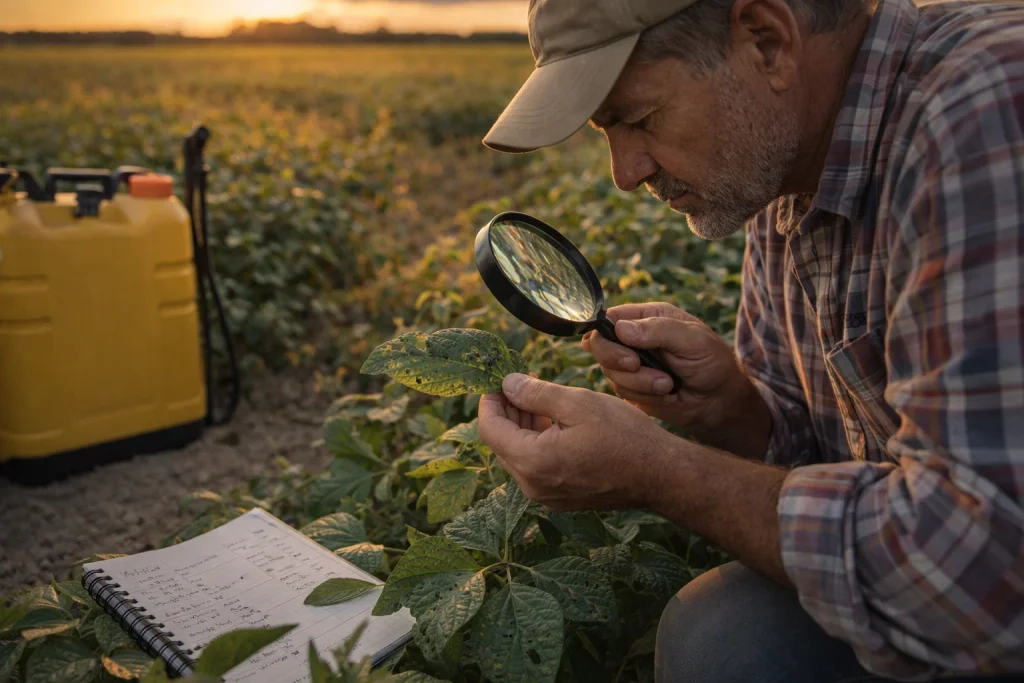
- Regular monitoring of crops
- Accurate pest diagnosis
- Using traps to track pest populations
- Reducing random pesticide spraying
- Encouraging the presence of beneficial organisms in the field
This integration between different control methods helps reduce problems that may later lead to insecticide failure despite regular use.
Conclusion
Biological control is one of the most important modern tools for managing agricultural pests in a sustainable way. It helps reduce dependence on pesticides, preserves ecological balance in the field, and supports plant health over the long term.
However, the success of this approach depends on integrating it into a comprehensive pest management program that includes continuous monitoring, accurate diagnosis, and pesticide use only when necessary.
Modern agriculture does not rely on a single control method, but rather on smart management that combines multiple tools to protect crops and ensure stable production.