When Should You Use an Insecticide? Signs That Intervention Has Become Necessary
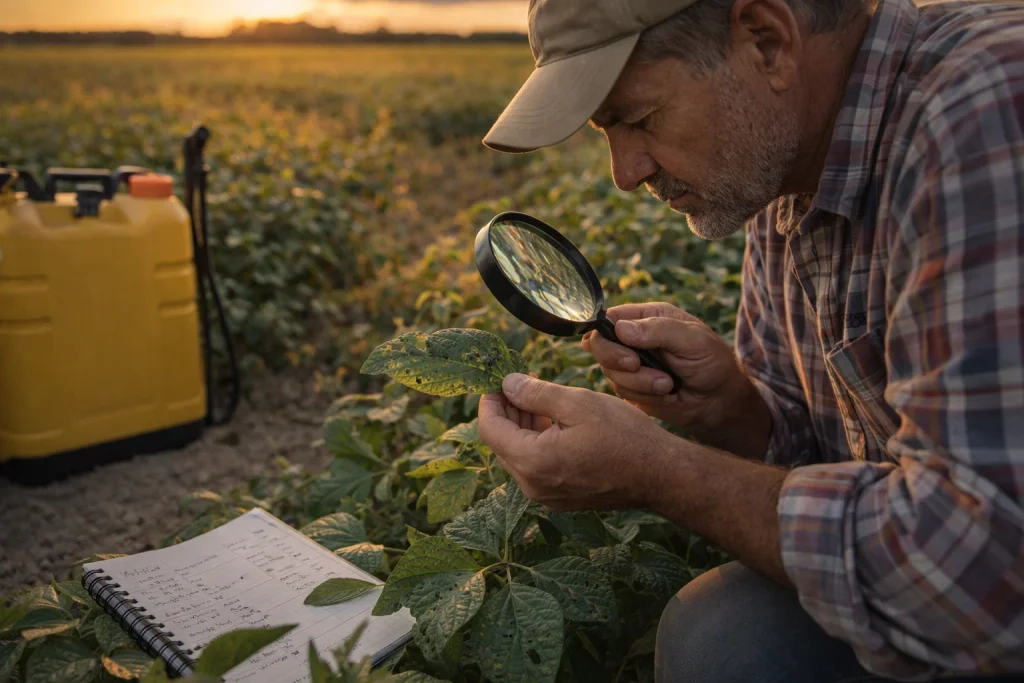
Using an insecticide should not be an automatic reaction at the first sign of infestation in the field. Many agricultural losses are not caused by insufficient spraying, but by rushing to apply insecticides without carefully evaluating the severity of the problem. In this article, we outline the key indicators that signal when intervention is truly necessary—and when waiting may be the smarter decision.
Why Isn’t Using an Insecticide Always the First Solution?
The presence of insects in the field does not necessarily mean the situation is out of control. In many cases, the infestation remains within an acceptable threshold that does not cause real economic damage. Rushing to apply an insecticide may lead to:
- Eliminating beneficial natural enemies
- Weakening the plant’s natural resistance
- Increasing the likelihood of insect resistance to the active ingredient
For this reason, it is essential to understand the fundamentals of insecticides and their types before making the decision to spray.
Signs That Insecticide Intervention Has Become Necessary
When the infestation moves beyond simple monitoring and begins to visibly affect plant health, intervention becomes necessary. Key indicators include:
- The infestation spreading to more than 20–30% of plants
- Visible damage to leaves or growing tips
- Noticeable slowdown in plant growth due to insect activity
- Rapid increase in pest population within a few days
At this stage, using appropriate insecticide solutions becomes a necessary step to protect the crop and prevent escalating losses.
The Difference Between Minor and Advanced Infestation
Minor infestation:
- Limited to a small area
- Does not clearly affect overall plant growth
Advanced infestation:
- Spreads quickly
- Affects a large percentage of plants
- Causes general weakness in the crop
In cases of advanced infestation, delaying the use of the appropriate insecticide can significantly increase the damage.
Common Mistakes When Rushing to Use Insecticides
Some common errors include:
- Repeated preventive spraying without clear justification
- Applying higher-than-recommended doses
- Switching insecticides without understanding why results were weak
- Ignoring the plant’s growth stage
These practices can negatively affect nutrient absorption, especially when spraying overlaps with specialized fertilization programs based on growth stage.
How Do You Decide on the Right Insecticide?
The decision should be based on:
- Identifying the type of insect (sap-sucking, chewing, or soil-dwelling)
- Assessing the severity of the infestation
- Selecting the appropriate type of insecticide (systemic, contact, or stomach poison)
Making the correct choice reduces the number of spray applications and improves overall control effectiveness.
When Are Fungicides the Right Solution Instead of an Insecticide?
In some cases, the symptoms of insect infestation may be confused with those of plant diseases. If the symptoms are caused by a fungal disease, fungicides—not insecticides—are the correct solution.
Accurate diagnosis of the type of infestation is a critical first step before choosing the appropriate intervention.
Conclusion
Using an insecticide should be a decision based on a careful assessment of infestation severity—not on fear of its spread. Premature and unplanned intervention may cause more harm than waiting, while delaying action in advanced cases can multiply losses. A proper understanding of the nature of the infestation, combined with integrating pest control into broader agricultural practices, ensures sustainable crop protection.