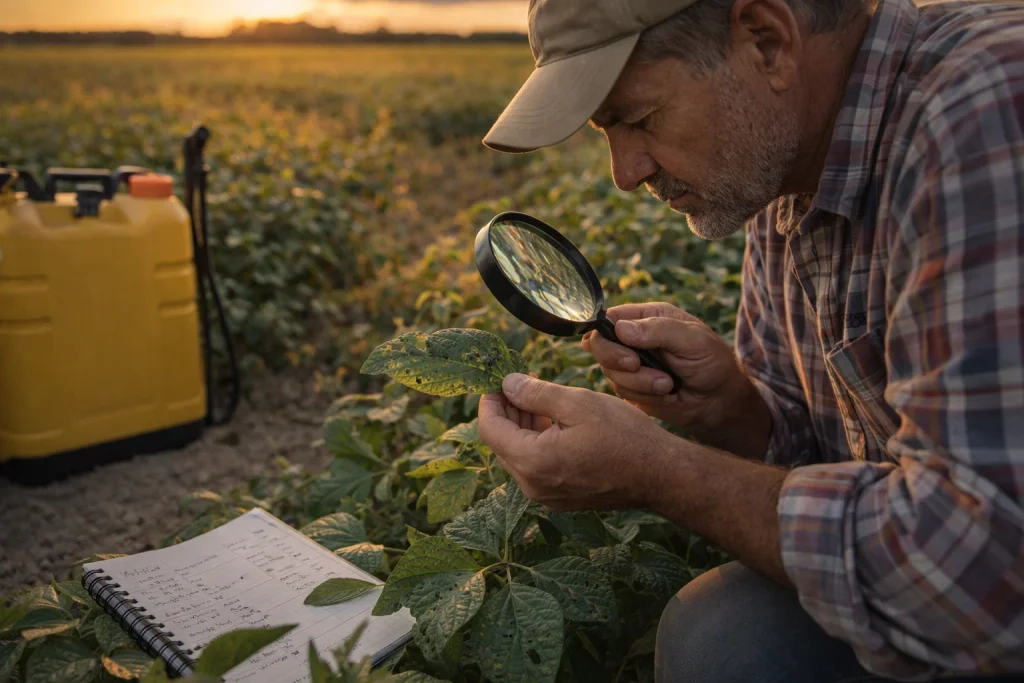
Major Insect Pests That Affect Agricultural Crops and How to Control Them
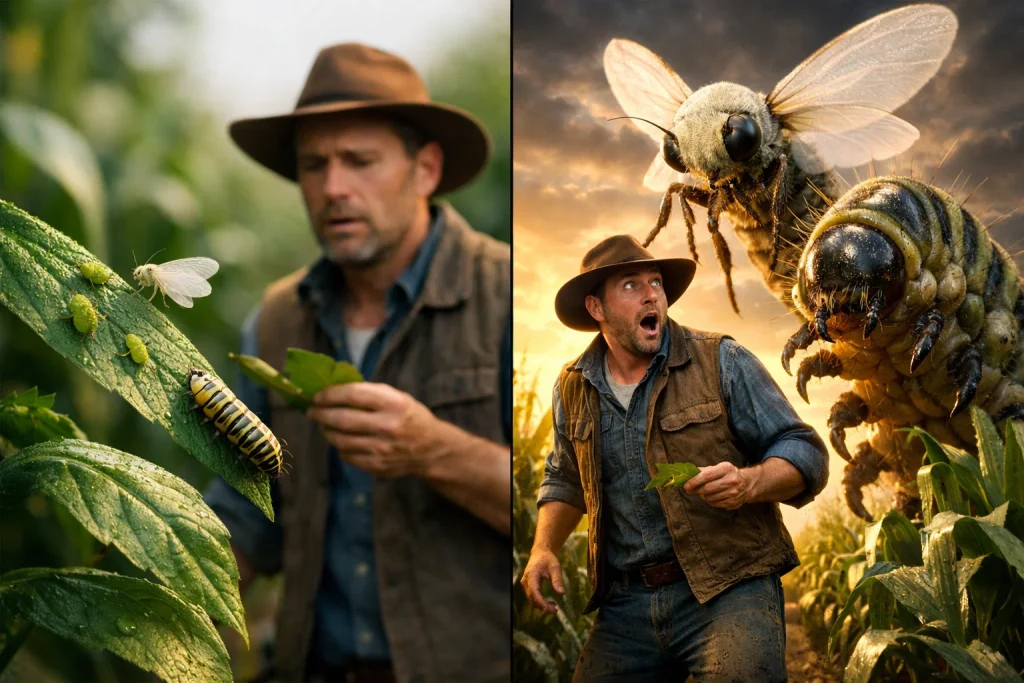
Insect pests are among the most significant challenges facing agricultural production across different crops. An insect infestation may start small, but it can quickly turn into a major problem that affects plant growth and crop quality if not addressed in time.
In many cases, the issue is not the pesticide itself, but rather correctly identifying the pest and diagnosing the infestation before making a control decision. Understanding the major insect pests that affect agricultural crops is therefore a crucial step in building a successful plant protection program.
First: Aphids
Aphids are among the most common pests affecting agricultural crops, attacking vegetables, fruits, and field crops.
Signs of Infestation
Aphid infestations can be identified through several clear signs, including:
- Clusters of small insects on the underside of leaves
- Leaf curling and weak plant growth
- Sticky substances on plant surfaces
- Appearance of black mold on leaves
These insects feed on plant sap, which is why they are classified as sap-sucking insects.
Control Methods
Aphids can be controlled through:
- Regular crop monitoring for early detection
- Using systemic insecticides suitable for sap-sucking insects
- Including treatment within an integrated crop protection program to reduce repeated infestations
Second: Whiteflies
Whiteflies are serious pests that affect many crops such as tomatoes, cucumbers, peppers, and cotton.
Signs of Infestation
Infestation is usually indicated by:
- Small white insects flying when the plant is touched
- Yellowing leaves and weak plant growth
- Honeydew secretion that encourages fungal growth
Like aphids, these insects also feed on plant sap and therefore require pesticides suited to their feeding behavior.
Control Methods
Effective control methods include:
- Using yellow sticky traps to monitor infestations
- Removing heavily infected leaves
- Choosing the appropriate pesticide based on the pest type
Understanding how to choose the right pesticide according to the type of pest helps increase control efficiency and reduce the number of treatments.
Third: Cotton Leafworm
The cotton leafworm is a chewing insect pest that causes significant damage to many crops.
Signs of Infestation
The most common signs include:
- Visible holes in leaves
- Severe leaf damage and tissue loss
- Presence of larvae on or near plant leaves
These insects feed directly on plant tissues, which means their control methods differ from those used for sap-sucking insects.
Control Methods
Control measures include:
- Regular crop inspection to detect larvae early
- Using stomach or contact insecticides suitable for chewing insects
- Following an organized spraying program according to a crop spraying schedule
Proper spray scheduling helps reduce pest spread within the field.
Fourth: Thrips
Thrips are very small insects that may go unnoticed during the early stages of infestation but can cause serious damage to leaves and flowers.
Signs of Infestation
Symptoms typically appear as:
- Silvery or gray patches on leaves
- Deformed leaves or flowers
- Weak plant growth
In many cases, farmers confuse these symptoms with certain plant diseases.
For this reason, it is important to understand the difference between insect and fungal infections before deciding to use pesticides.
Control Methods
Control methods include:
- Early detection during regular plant inspection
- Using pesticides suitable for sap-sucking insects
- Avoiding pesticide mixing mistakes that may reduce product effectiveness
Fifth: Mole Cricket
The mole cricket is a soil-dwelling pest that attacks plant roots and the base of the stem, especially during early crop growth stages.
Signs of Infestation
Key signs include:
- Sudden wilting of young plants
- Cut roots or damaged plant bases
- Tunnels visible in the soil around plants
If not detected early, this pest can cause major losses in cultivated areas.
Control Methods
Control strategies include:
- Plowing the soil before planting
- Using appropriate poisoned bait treatments
- Continuously monitoring the field for early detection of infestation
Important Factors for Successful Pest Control
Successful insect pest control does not rely only on using pesticides. It also depends on several key factors, such as:
- Correct pest diagnosis
- Choosing the appropriate pesticide
- Following an organized spraying program
- Respecting the safety interval between spray applications
- Avoiding random or excessive pesticide use
Ignoring these factors can eventually lead to what is known as insecticide failure, even when effective products are used.
Conclusion
Insect pests affecting agricultural crops vary widely, and each pest has its own behavior in feeding, reproduction, and spread. Therefore, successful control depends on accurate pest identification and selecting the appropriate control method.
Regular crop inspection, understanding pest behavior, and using pesticides within a structured management program all help protect crops and ensure stable agricultural production.
Pesticides alone are not enough…
but proper pest management is what truly makes the difference in the field.