Agricultural Fertilizers: Types, Benefits, and Their Importance for Crop Productivity
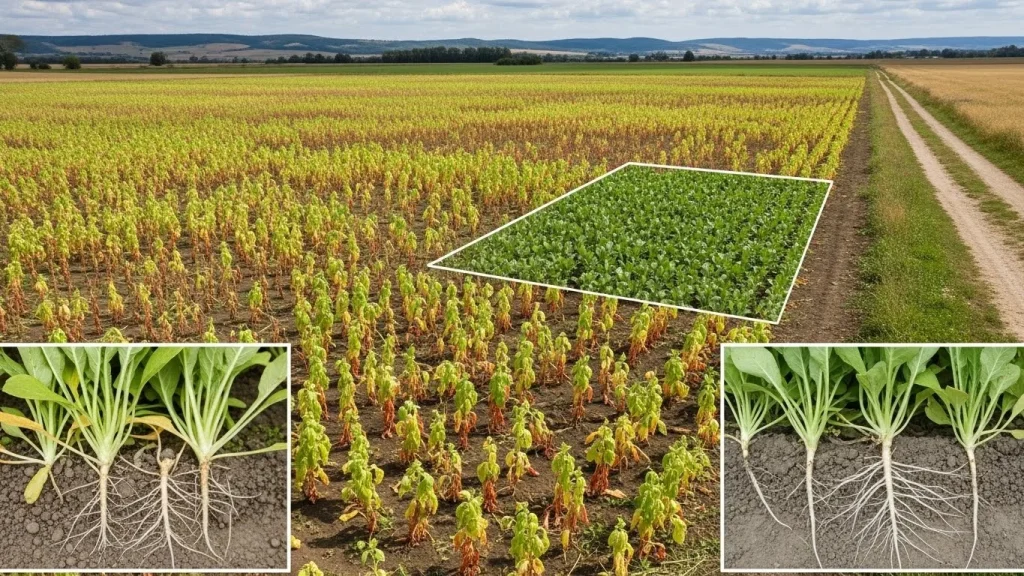
Agricultural fertilizers are not merely tools for boosting plant growth; they are a core management component that directly influences crop quality, yield stability, and the plant’s ability to withstand various stresses.
The real challenge is that many farmers use fertilizers without fully understanding their type, function, or interaction with soil—leading to weak results even when high-quality products are applied.
In this comprehensive guide, you will learn about the main types of agricultural fertilizers, the benefits of each, and why choosing the right fertilizer is essential for successful crop production.
1️⃣ What Are Agricultural Fertilizers? (The Correct Understanding)
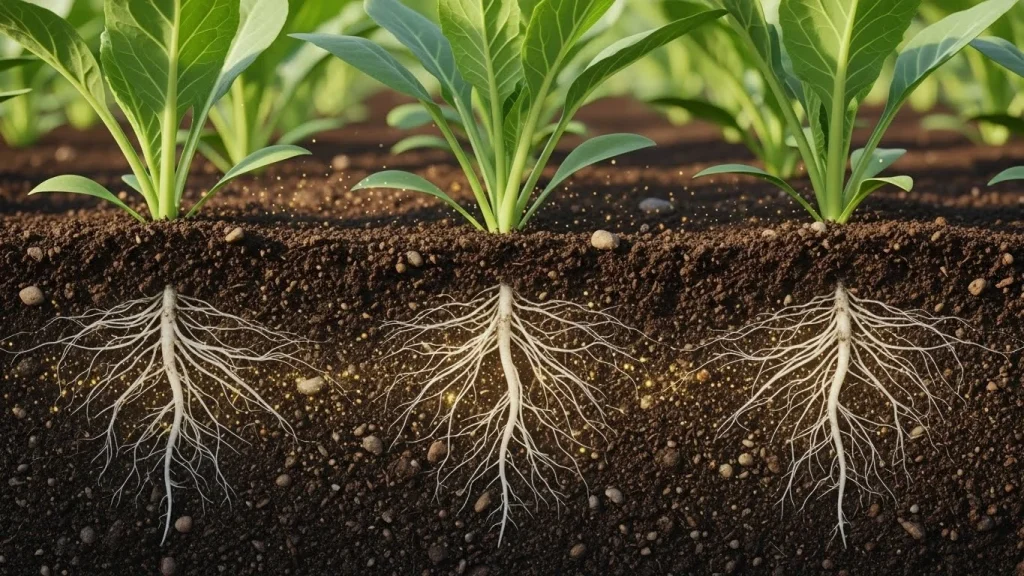
Agricultural fertilizers are nutrient sources added to soil or plants to supply essential elements that soil alone cannot provide in sufficient quantities throughout the growing season.
Their importance lies in:
- Bridging nutrient deficiencies
- Supporting vital plant processes
- Maintaining stable and balanced growth
A critical distinction must be made between:
- Nutrient presence in the soil
- Nutrient availability for plant uptake
This difference often determines whether a fertilization program succeeds or fails.
2️⃣ Scientific Classification of Agricultural Fertilizers
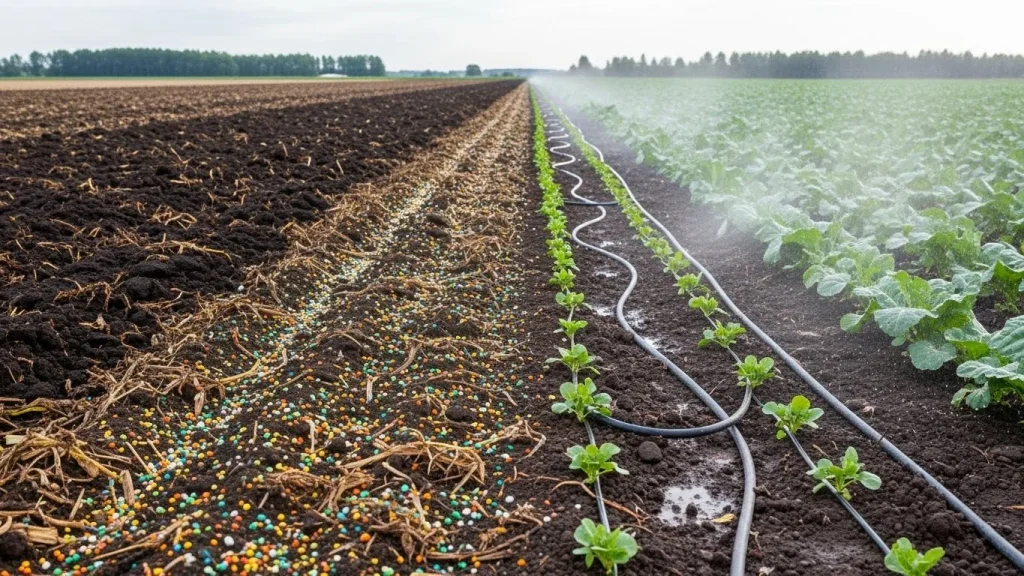
2.1 Organic Fertilizers
Definition
Organic fertilizers are derived from decomposed plant or animal residues and primarily improve soil properties before directly feeding the plant.
Key Benefits
- Improve soil structure
- Increase microbial activity
- Enhance water and nutrient retention
When Are They Most Effective?
- In improving weak or degraded soils
- As part of long-term soil management programs
Important Note
Organic fertilizers cannot fully replace mineral fertilizers in intensive commercial farming systems.
2.2 Mineral (Chemical) Fertilizers
Definition
Mineral fertilizers contain precisely formulated nutrients and are characterized by rapid plant response.
Types Based on Nutrient Content
- Nitrogen fertilizers: promote vegetative growth
- Phosphorus fertilizers: support root development and flowering
- Potassium fertilizers: improve fruit quality and stress tolerance
- Micronutrients: essential for overall nutritional balance
Key Advantages
- Fast action
- Accurate nutrient dosing
- Suitable for all growth stages
2.3 Liquid Fertilizers
Why Their Use Has Increased
- Uniform distribution
- Faster nutrient absorption
- Reduced nutrient losses in sandy soils
Common Applications
- Periods of rapid growth
- Modern fertilization programs
- Fertigation systems
2.4 Foliar Fertilizers
Their True Role
Foliar fertilizers are not a replacement for soil fertilization, but they serve as:
- A rapid solution for nutrient deficiencies
- An effective tool during plant stress conditions
When Are They Essential?
- In calcareous soils
- When soil nutrient uptake is limited
- Under unfavorable pH conditions
3️⃣ Benefits of Agricultural Fertilizers for Crops (Practical Perspective)
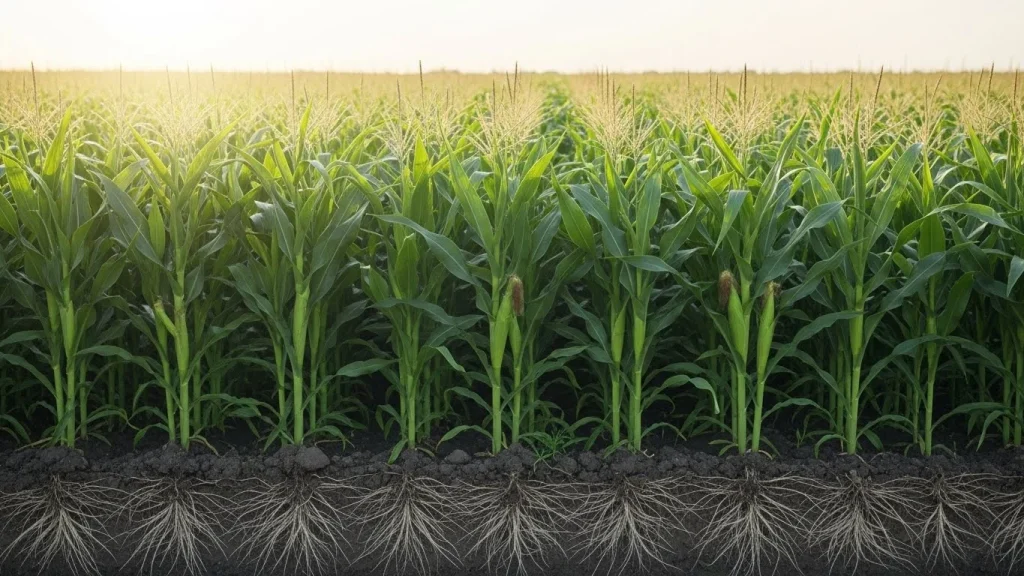
When fertilizers are applied correctly, they result in:
- Balanced vegetative growth without excess
- Strong, efficient root systems
- Improved fruit set
- Increased fruit size and quality
- Reduced yield losses
Improper use, however, leads to:
- Plant stress
- Nutritional imbalance
- Increased costs with limited returns
4️⃣ The Importance of Choosing the Right Fertilizer for Each Growth Stage
Plant nutritional requirements change throughout the season:
- Vegetative growth stage
- Flowering stage
- Fruit set stage
- Fruit development stage
Using the same fertilizer throughout all stages is a common mistake that results in:
- Reduced productivity
- Unbalanced plant responses
5️⃣ The Relationship Between Fertilizers and Soil (The Turning Point)
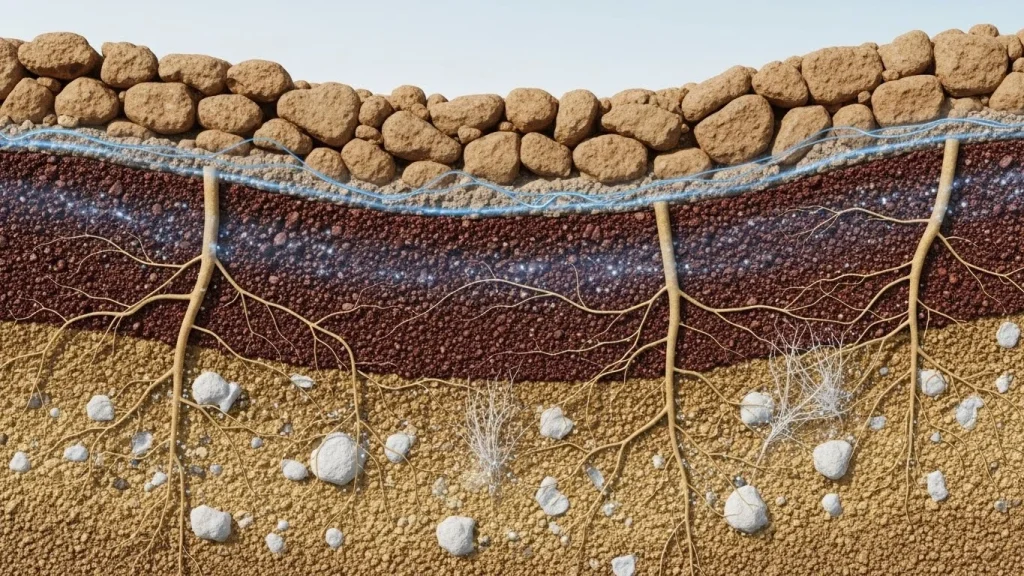
Fertilizer efficiency depends heavily on:
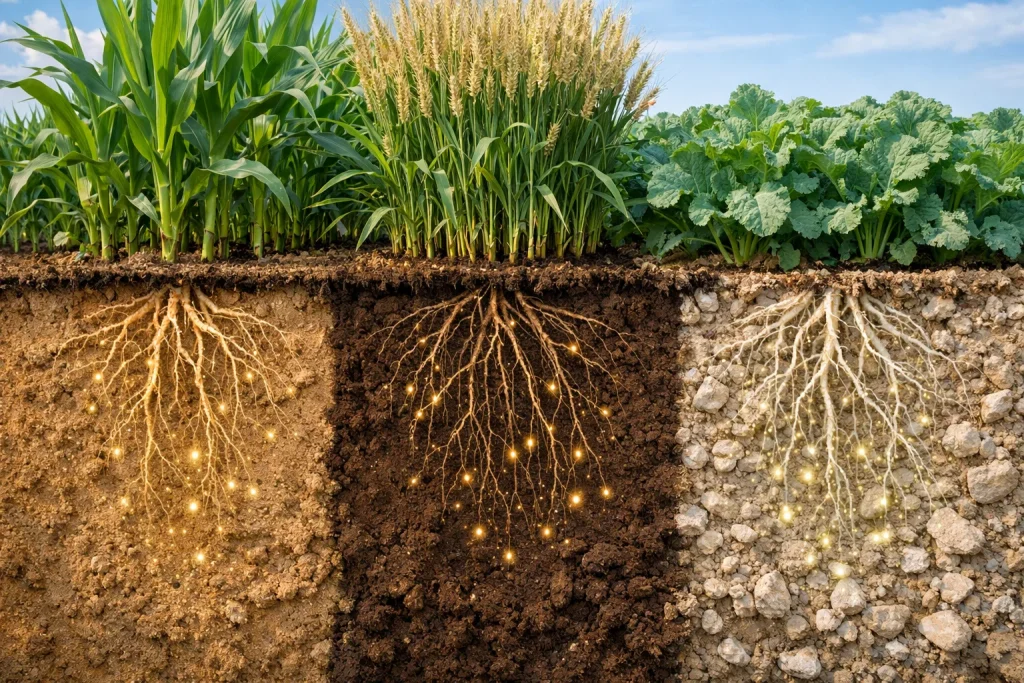
- Soil type
- Soil pH level
- Drainage and aeration
In many cases:
- Nutrients are present in the soil
- But unavailable to plants
This is where the importance of:
- Chelated nutrients
- Foliar fertilizers
- Soil conditioners
becomes evident.
6️⃣ Common Mistakes That Reduce Fertilizer Efficiency
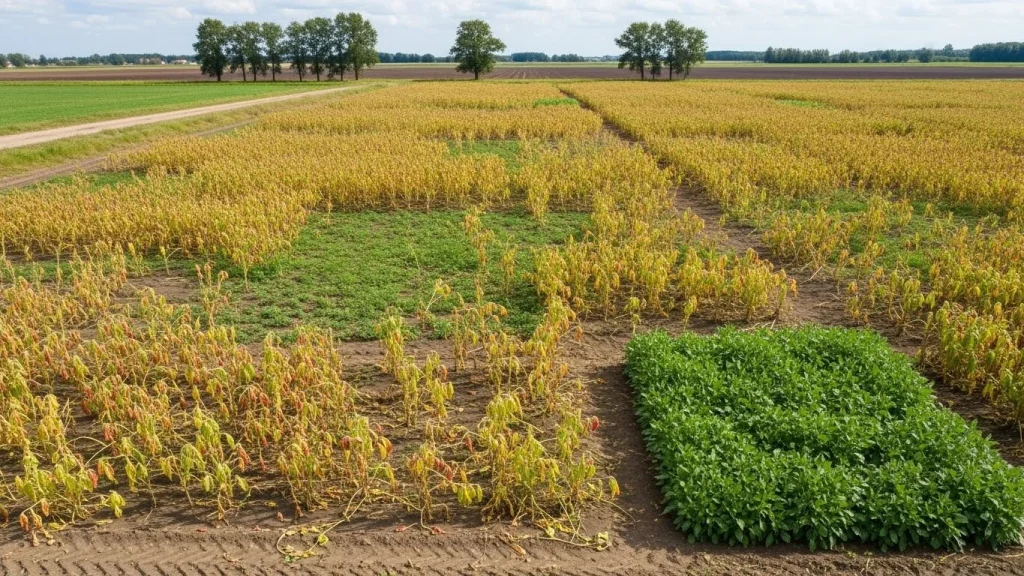
- Selecting fertilizers by name rather than function
- Increasing application rates to compensate for weak growth
- Mixing incompatible fertilizers
- Ignoring proper application timing
These mistakes often produce negative results, even with high-quality products.
7️⃣ How to Build a Successful Fertilization Program
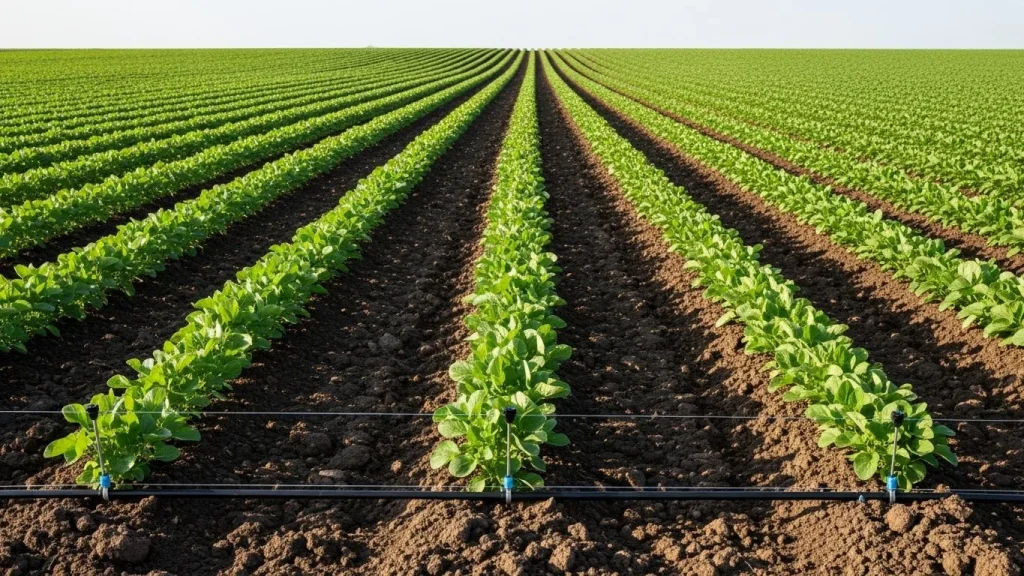
An effective fertilization program is based on:
- Soil analysis
- Understanding crop nutritional requirements
- Selecting the appropriate fertilizer type
- Adhering to correct timing and application rates
Fertilization is not a random decision—it is a core part of crop management.
Final Conclusion
Agricultural fertilizers are the backbone of modern crop production. Their effectiveness depends not on quantity, but on:
- Proper selection
- Precise application
- Compatibility with soil and crop requirements
When fertilizers are used correctly, they shift from being a cost to a long-term investment in crop quality and productivity.